



cars with warranty, examined with a calm buyer's eye

Promises are useful. Proof is better. I evaluate coverage the same way I would a repair estimate: line by line, with a small question in the back of my mind about what might not be as simple once the car is on a lift.

Expectations, clarified

A warranty is a commitment to fix defects in materials or workmanship. It isn't maintenance, and it isn't insurance. The value lies in predictable costs and defined remedies, not miracles.

  • Term and mileage: Time and distance caps define the window. Past that, you pay.
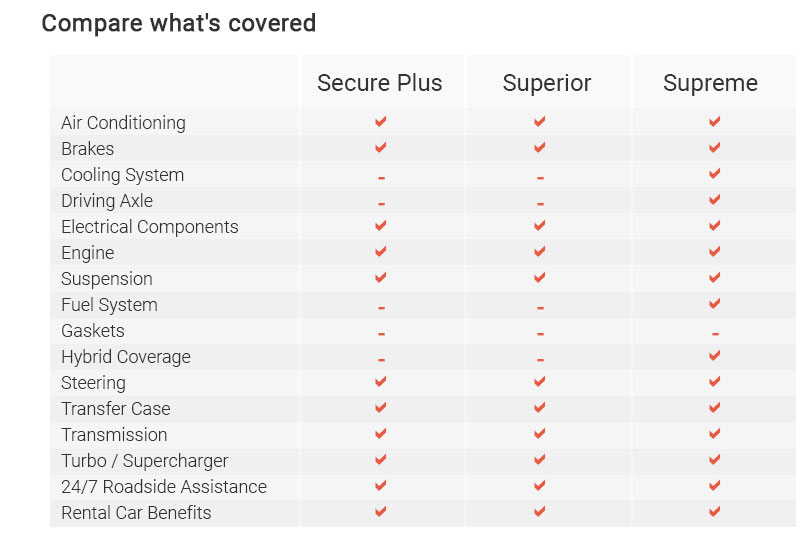
  • Scope: Some plans are bumper-to-bumper - really "almost everything" - while powertrain focuses on engine, transmission, and related internals.
  • Who pays: Coverage may include parts and labor, but a deductible per visit can change math quickly.
  • Where to repair: Manufacturer networks are broad; third-party plans can be narrower or require pre-authorization.
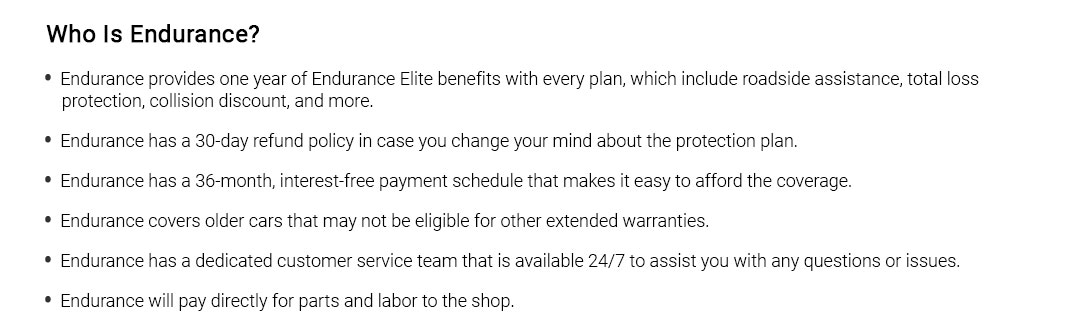
  • Extras: Towing, rental, and roadside support exist, but limits matter (daily caps, maximum days).
  • Common exclusions: Wear items (pads, rotors, tires), fluid contamination, neglect, modifications, and anything labeled "trim" or "noise/vibration" in small print.

What's on the market

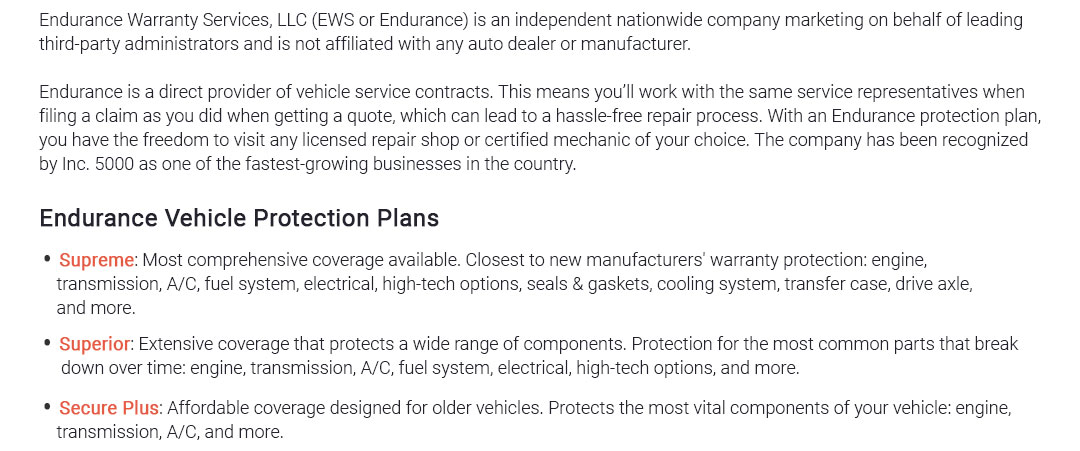
  • New-vehicle limited: Broad coverage early on; short but comprehensive.
  • Powertrain: Longer, narrower safety net for the big-ticket components.
  • Certified pre-owned (CPO): Inspections plus added terms, often with tighter claim rules.
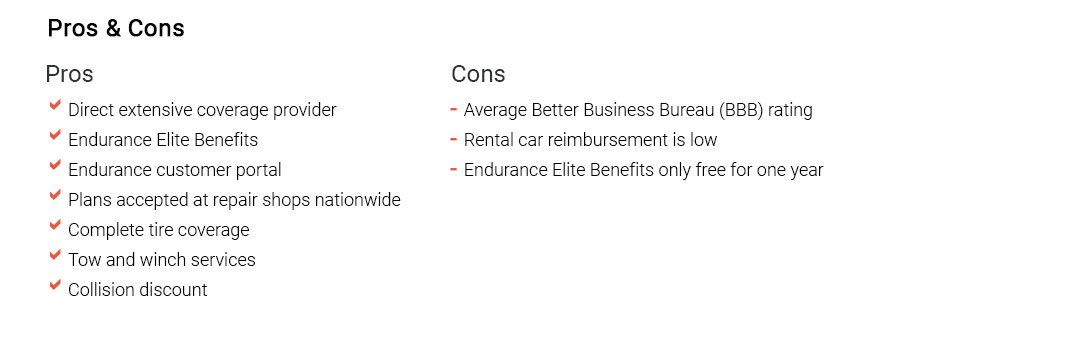
  • Third-party service contracts: Wide variety, from solid to puzzling; contract language is everything.
  • Emissions-specific: Federally mandated components may have unique timelines.

Tradeoffs that actually decide value

  • Price vs volatility: Paying up front reduces variance but not always total cost.
  • Claim friction: Prior approvals and teardown authorizations can delay repairs.
  • Labor rates and parts: Are OEM parts guaranteed? Is the labor rate capped below local shop norms?
  • Diagnostics: Coverage for diagnostic time is often partial - or excluded.
  • Transferability: Helps resale, but may require a fee and paperwork within a short window.

Reading the fine print without getting lost

  1. Request the full sample contract; summaries hide exceptions.
  2. Check whether electrical modules, infotainment, and ADAS sensors are named.
  3. Find the definitions of "wear," "adjustment," and "seep." Words decide claims.
  4. Note deductible structure: per visit or per component.
  5. Confirm labor-rate coverage and who picks the shop.
  6. Mark start date: in-service vs purchase, and any overlap with factory coverage.
  7. Ask about cancellations, refunds, and transfer steps in writing.

A quiet real-world moment

Late on a rainy Thursday, the ABS light flickered and the dash chimed. I eased into a dealer bay the next morning. The wheel-speed sensor was covered, but the corroded harness clip was deemed wear-related; I paid a small deductible and a few dollars for the clip. Loaner wasn't included under the plan's "under 24 hours" clause. Not dramatic, just a reminder that outcomes land between brochure promises and actual bolts.

Budget lens

I compare the plan cost plus likely deductibles against expected failure odds for this model's components. For some owners, self-funding a repair reserve is cleaner; for others, smoothing cash flow is worth the premium, even if the spreadsheet breakeven is close.

What I look for before signing

  • Low or zero deductible per visit, not per component.
  • Nationwide network and 24/7 authorization.
  • OEM or equivalent parts spelled out, not implied.
  • Diagnostic time explicitly covered.
  • Seals and gaskets listed, not bundled under wear.
  • Electronics and ADAS modules named, including calibration after repair.
  • Transferable with modest or no fee.
  • Clear towing and rental caps that match real rates in your city.

When a warranty may be overkill - or quietly essential

  • Overkill: Short ownership horizon, low annual miles, strong reliability record, inexpensive parts, ready cash for surprises.
  • Essential: Complex tech (turbos, hybrids, air suspension), long commutes, limited access to affordable specialists, or a used car with patchy history.

Quick checklist before you decide

  1. What exact components are named as covered?
  2. Is the deductible per visit and how much?
  3. Who authorizes and at what speed?
  4. Which shops can I use and at what labor rate?
  5. Are diagnostics, calibration, and fluids included?
  6. What are towing, rental, and trip-interruption limits?
  7. How do transfer and cancellation work, with fees?

With cars with warranty, I expect fewer financial surprises and a clearer path when things break, yet I still set aside time and a small reserve for the edge cases that contracts inevitably leave gray. That soft doubt keeps my expectations realistic - and my decisions steadier.

https://www.reddit.com/r/whatcarshouldIbuy/comments/18yn6xm/which_car_manufacturer_actually_stand_by_their/
I stay loyal to Dealers, NOT specific brands. Here in DFW, AutoBahn, Frank Kent, Grubbs, & Sewell all have good reputations. Upvote 1

https://www.quora.com/Do-used-cars-have-the-same-warranty-as-new-cars-when-purchased-from-a-dealership
No they do not. A new car warranty is supported by the manufacturer . They will reimburse the dealership for those repairs.

https://www.gmcertified.com/benefits-after-purchase
When you purchase a GM Certified used vehicle, enjoy peace of mind with a bumper-to-bumper warranty, roadside assistance, scheduled auto maintenance, ...


atwratnwm
4.9 stars -1380 reviews